
Preventing Muscle Loss
During GLP-1 Therapy
Preserve lean body mass through strategic protein optimization and resistance training. Learn evidence-based protocols to maintain muscle while losing fat on GLP-1 therapy.
Why Muscle Preservation Matters
Metabolic Health
Muscle tissue burns calories at rest. Preserving muscle maintains higher metabolic rate.
Functional Strength
Practical guidance for the most common challenges patients face.
Body Composition
Better aesthetic outcomes by losing fat while maintaining muscle definition.
The Challenge on GLP-1 Therapy
During any weight loss, your body loses both fat and muscle. Research shows that without intervention, 20-30% of weight lost can come from lean mass. On GLP-1 therapy, the reduced appetite can make it challenging to consume enough protein, potentially increasing this risk.
Good News:
Intentional protein optimization and resistance training can reduce muscle loss to as little as 5-10% of total weight lost, preserving the majority of your lean mass.
Protein Optimization Strategy
1.Target Intake
- 1.6-2.2g per kg of ideal body weight
- 150 lb goal weight = 109-150g protein daily
2.Distribution
- 20-40g protein per meal, 3-4 meals daily
- Better than one large protein meal
3.Timing
- Within 2 hours post-resistance training
- Optimize muscle protein synthesis window
4.Quality
- Complete protein sources with all amino acids
- Lean meats, fish, eggs, dairy, legumes + grains
Resistance Training Protocol
Why Resistance Training is Essential
Protein alone isn't enough. Resistance training provides the stimulus your muscles need to maintain (or even build) mass during a caloric deficit. It signals your body to preserve muscle tissue instead of breaking it down for energy.
Frequency
3-4 sessions per week, minimum 48 hours between working same muscle groups
Progressive Overload
Gradually increase weight, reps, or sets every 1-2 weeks to continually challenge muscles
Compound Movements
Focus on squats, deadlifts, bench press, rows—exercises that work multiple muscle groups
Full Body vs Split
Full body 3x/week or upper/lower split 4x/week both effective for muscle preservation
Supplements designed for GLP-1 optimization
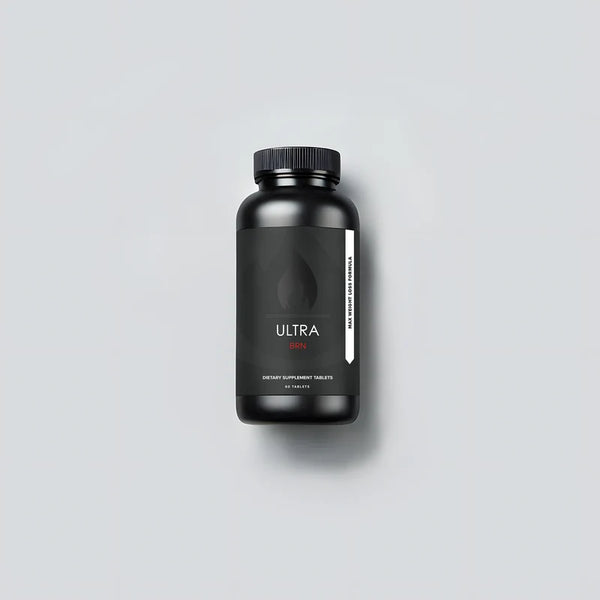
Clinically-informed supplements from STAAR LABS, formulated to support the metabolic goals of GLP-1 therapy.
View All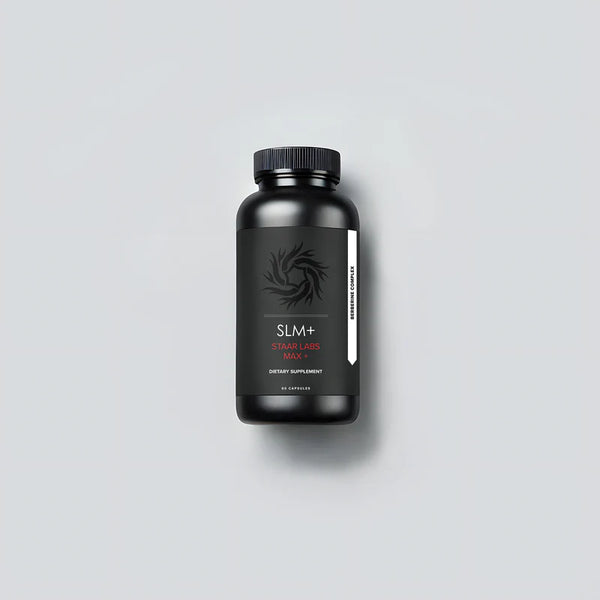


GLP-1 Optimization
COMBOGLP-1 Optimization Package by STAAR LABS combines EG3G, SLM+, and ULTRABRN to counteract common side effects of GLP-1 therapies, including energy dips, muscle loss, and nutrient deficiencies.This targeted stack pairs Berberine, Banaba Leaf, and Green Tea Extract to stabilize blood sugar, accelerate fat oxidation, and protect cardiovascular and metabolic function.Enhanced with L-Carnitine, Choline, and 5-HTP, it fuels sustained cellular energy, sharpens focus, preserves lean muscle, and supports mood balance to maximize long-term weight loss results.
Monitoring Your Progress
The scale alone doesn't tell the full story. Track these metrics to assess muscle preservation:
1. Body Composition Analysis
DEXA scan or bioimpedance every 8-12 weeks to track fat vs. lean mass changes
2. Strength Metrics
Track weights lifted for key exercises—strength should maintain or increase
3. Measurements
Tape measurements of arms, thighs—muscle areas should stay stable
4.Progress Photos
Visual assessment shows muscle definition emerging as fat decreases
Weekly insights onGLP-1 therapy
Join patients and providers who trust our evidence-based platform for GLP-1 guidance.
Get weekly updates
New clinical insights and patient guides every week.
Frequently asked questions
Answers to the questions our community asks most about GLP-1 therapy.
Individual response varies significantly. Most patients notice appetite changes within the first week, with measurable weight loss typically beginning in weeks 2–4. The timeline depends on dosage, individual metabolism, lifestyle factors, and starting weight.
Plateaus are a normal part of the weight loss process as your metabolism adapts. Adjusting nutrition, activity, and reviewing your plan with your provider can help break through them.
Prioritizing protein intake and resistance training are the two most effective strategies for preserving lean mass during treatment.
Weight regain risk varies by individual. A structured transition plan focused on nutrition and habit formation significantly improves long-term maintenance.
Eating smaller meals, avoiding high-fat foods, and staying hydrated can help. Most side effects improve as your body adjusts over the first few weeks.